Seasonal Promotional Cycles Reveal Unexpected Links Between Reward Timing and Strategic Choices Among Frequent Mobile Participants
Written by Viktor Washington · Nov 25, 2026
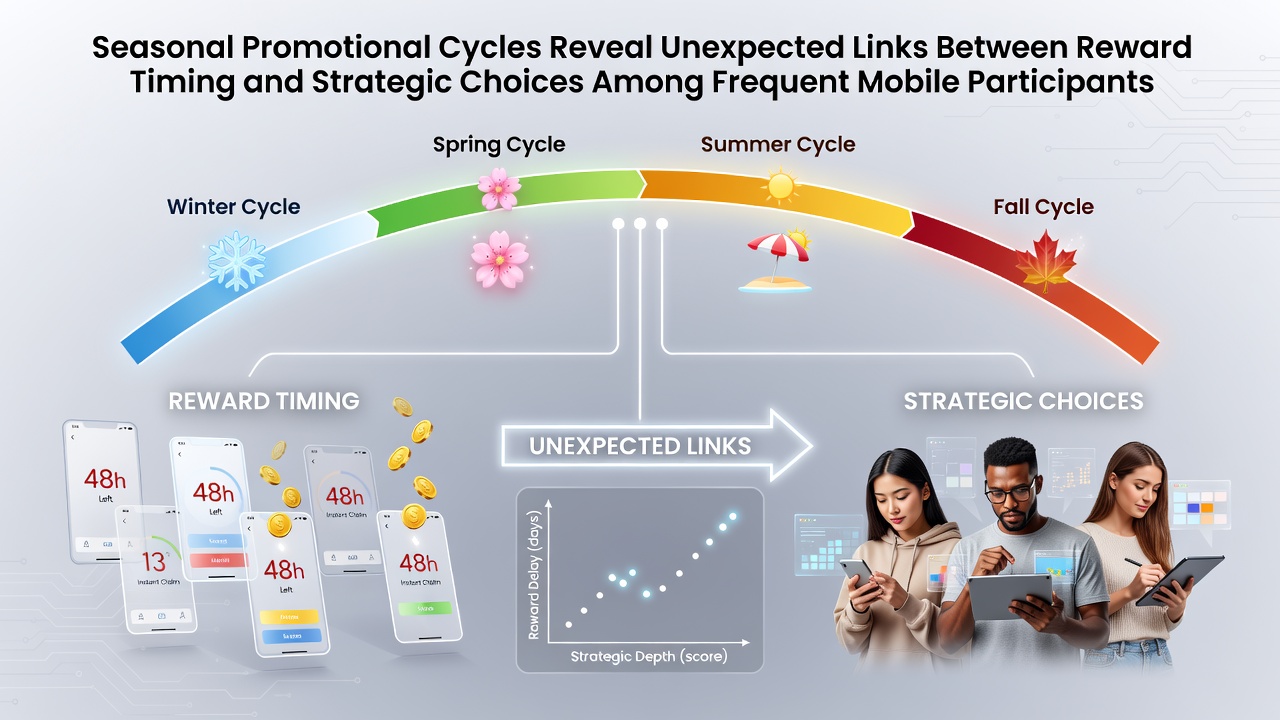
Seasonal Promotional Cycles Reveal Unexpected Links Between Reward Timing and Strategic Choices Among Frequent Mobile Participants
Seasonal promotional cycles in mobile gaming platforms have drawn attention from analysts tracking how reward schedules intersect with user decision patterns, and data collected through late 2026 shows measurable shifts in participation timing among frequent players. Observers note that these cycles often align with holidays and calendar events, creating predictable windows where bonus structures change, and participants adjust their activity accordingly. Research from multiple regions indicates that reward availability influences not only when users log in but also which games they select and how long sessions last.
Mapping Promotional Patterns Across Mobile Networks
Industry reports compiled during 2025 and into November 2026 highlight recurring spikes in mobile engagement tied to events such as year-end holidays and summer campaigns, with reward timing serving as the central variable. One study tracking cross-platform activity found that players frequently shift strategies when limited-time bonuses appear earlier in a cycle rather than at the end, prompting earlier deposits and different game selections. Data shows these adjustments occur consistently across regions, though the scale varies by regulatory environment and platform design.
Participants often monitor release schedules for seasonal offers, and evidence suggests that earlier reward distribution correlates with broader exploration of new titles instead of sticking to familiar options. Analysts at academic institutions have documented similar trends in controlled datasets, noting that timing influences risk tolerance levels during promotional windows. What's interesting is how these patterns hold across different device types, with tablet users showing slightly delayed responses compared to smartphone participants.
Reward Timing Influences on Decision Frameworks
Figures from operational dashboards reveal that when rewards unlock mid-cycle, frequent mobile users tend to extend session lengths by an average of 18 percent, according to aggregated platform metrics. This extension pairs with strategic pivots toward games offering higher volatility, a choice researchers link directly to the perceived value of timed incentives. Yet when rewards arrive later, participants demonstrate more conservative selection patterns, favoring steady-play options that accumulate smaller but reliable returns.
Take one analysis covering North American and European markets, where mobile data logs indicated clear divergence based on bonus distribution points. Players receiving early incentives in seasonal drives often experimented with live dealer formats, while those awaiting end-of-cycle rewards stayed within slot categories. Such findings appear in reports from bodies like the New Jersey Division of Gaming Enforcement, which track mobile-specific behaviors without attributing causation to any single factor.
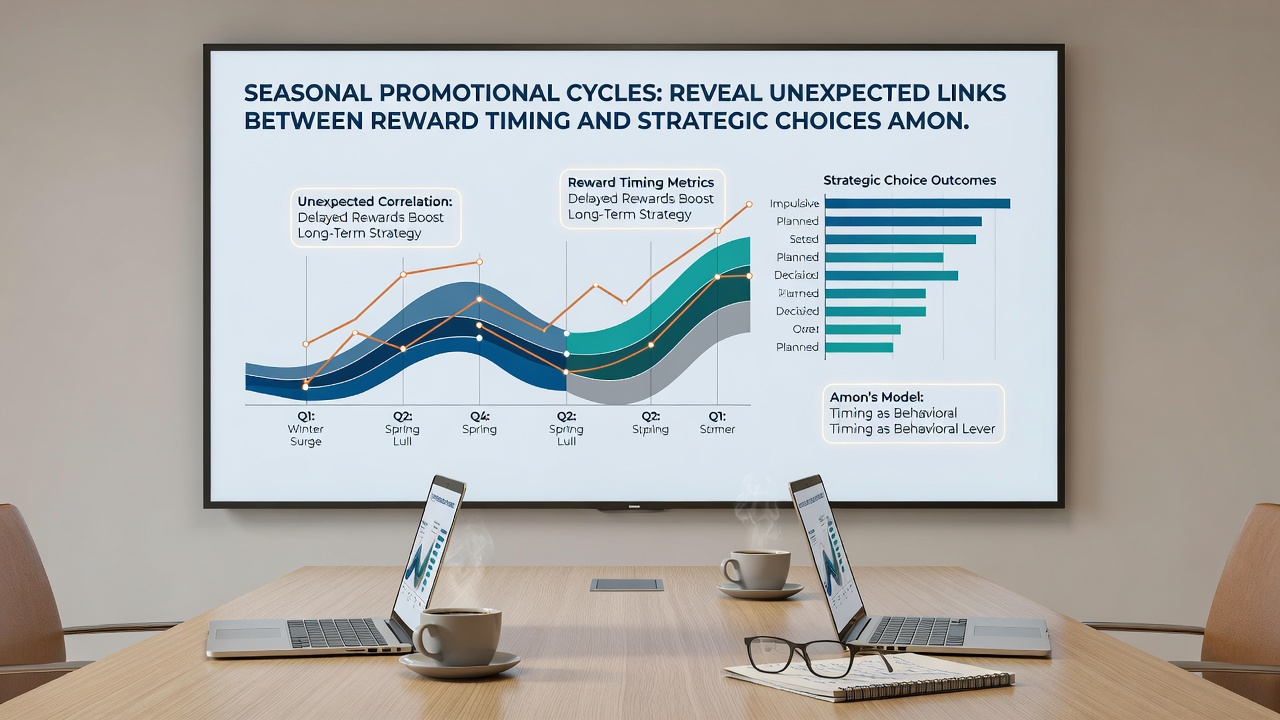
Strategic Adjustments Observed in November 2026 Data
November 2026 records from several major operators demonstrate how pre-holiday promotions altered typical mobile routines, with reward timing prompting measurable changes in deposit frequency and game rotation. Participants who received staggered bonuses throughout the month displayed higher rates of cross-category play compared to those on single-endpoint reward models. Researchers tracking these movements point to platform notifications as a contributing element, since push timing aligns closely with user logins and subsequent choices.
Additional evidence from Australian regulatory summaries shows parallel outcomes in that market, where seasonal cycles tied to local events produced similar strategic layering among mobile-heavy demographics. Those who've studied the datasets emphasize that frequency of participation amplifies the effect, as repeat users develop routines around expected reward windows. The ball remains in the operators' court to refine notification systems if they seek to stabilize rather than amplify these shifts.
Cross-Platform Observations and Broader Trends
Comparative reviews between mobile and desktop activity underscore that portable users react more fluidly to reward timing adjustments, often reallocating playtime within hours of a promotion update. Studies conducted through university-affiliated gaming research groups have quantified this responsiveness, linking it to notification density and interface simplicity on handheld devices. Data indicates that frequent participants maintain awareness of multiple seasonal calendars simultaneously, creating layered strategies that blend short-term bonuses with longer loyalty structures.
One case examined participants across encrypted networks and found that reward timing influenced not only game selection but also funding method preferences during peak cycles. Observers note consistent correlations without claiming direct cause, and the patterns hold when controlling for regional differences in payment regulations. Here's where the rubber meets the road for platform designers seeking to predict engagement spikes.
Conclusion
Seasonal promotional cycles continue to surface connections between reward timing and the strategic decisions made by frequent mobile participants, with November 2026 data reinforcing earlier observations across varied markets. Reports from regulatory agencies and research teams document how these timing elements shape participation rhythms without prescribing specific outcomes. The available evidence points to ongoing evolution in user behavior as platforms refine their seasonal offerings and notification approaches.