Intersections of Transaction Methods and Risk Mitigation Tactics Among Users of Handheld Casino Applications
Written by Viktor Washington · Oct 28, 2026
Intersections of Transaction Methods and Risk Mitigation Tactics Among Users of Handheld Casino Applications
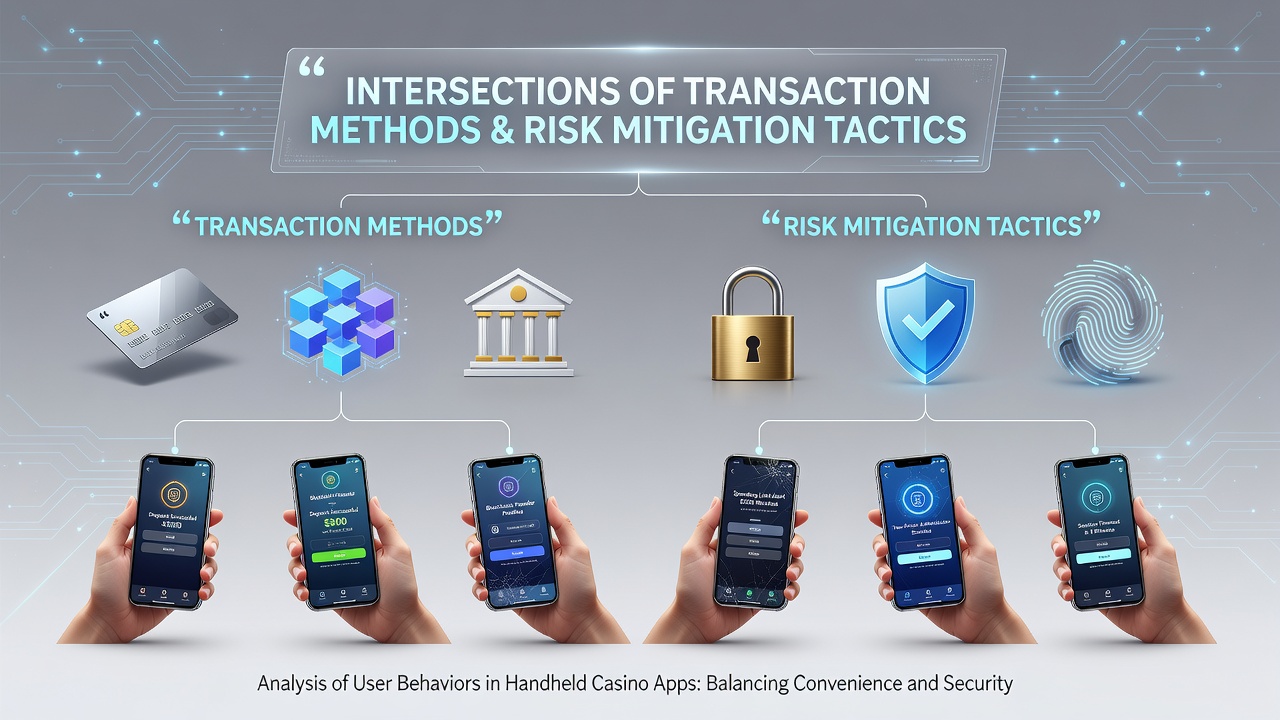
Users of handheld casino applications navigate a landscape where transaction methods directly shape the risk mitigation tactics they deploy, and data from mobile gaming platforms in 2026 reveals clear patterns in how these choices intersect. E-wallets, bank transfers, credit cards, and cryptocurrency options each carry distinct security profiles that influence whether players activate additional verification steps, monitor transaction logs, or switch between funding sources mid-session. Researchers tracking user behavior across major app stores note that these intersections have grown more pronounced as handheld devices handle higher volumes of real-money activity.
Transaction Methods in Mobile Casino Environments
Handheld casino applications support a range of payment options, yet adoption rates vary by region and user segment. E-wallets dominate in markets where speed matters most, while bank transfers appeal to those prioritizing established security protocols. Cryptocurrency usage has risen steadily through October 2026, particularly among users who value reduced intermediary involvement. Credit card transactions remain common but trigger more frequent fraud alerts according to platform operators. Observers note that each method embeds its own baseline protections, such as tokenization in digital wallets or blockchain transparency in crypto transfers, which then guide the supplementary tactics players add on top.
Risk Profiles Tied to Specific Funding Choices
Certain transaction methods expose users to elevated exposure points that demand targeted responses. Bank transfers, for instance, often involve longer processing windows that leave account details visible longer, prompting players to enable app-level encryption and limit session durations. E-wallet users frequently encounter phishing attempts tied to account recovery flows, leading many to adopt two-factor authentication across linked services. Crypto transactions reduce some traditional fraud vectors yet introduce wallet key management challenges, and those who study these patterns report increased use of hardware security modules among frequent mobile players. Credit card funding correlates with higher chargeback disputes in regulatory filings, which in turn encourages stricter monitoring of statement activity and immediate reporting protocols.
Combined Tactics Emerging from Method Selection
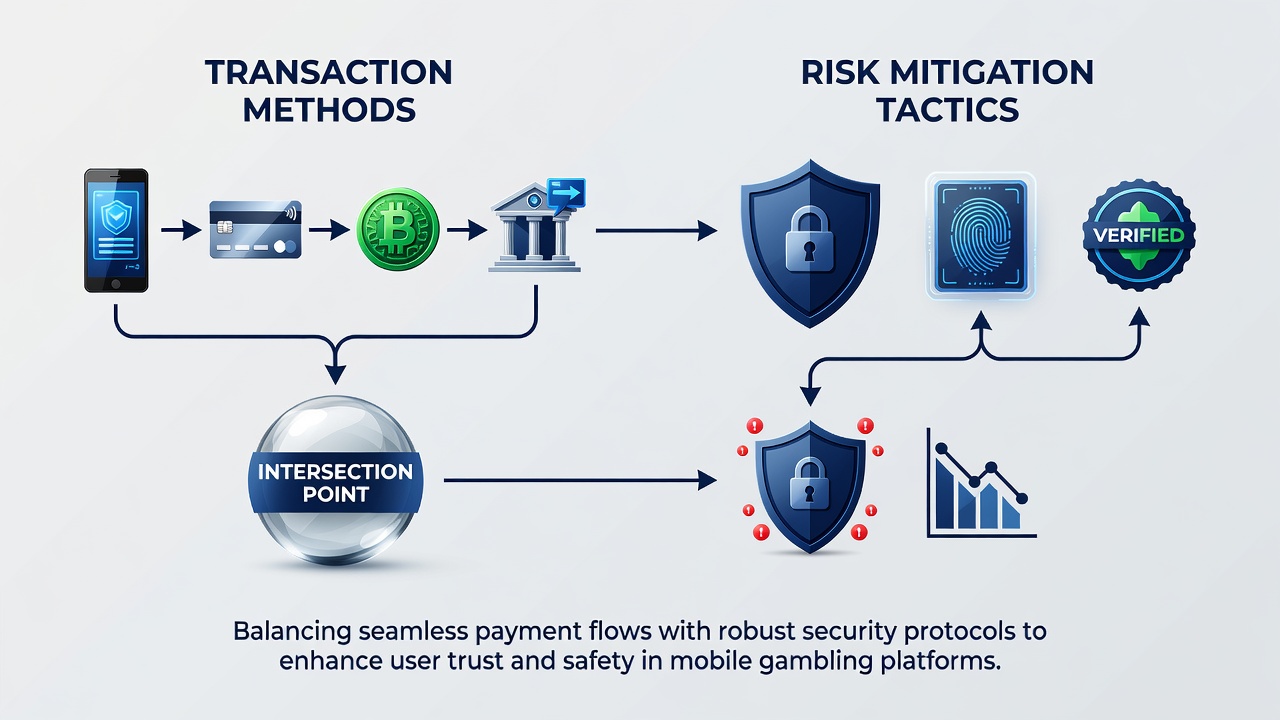
The real intersections appear when players layer mitigation steps onto their chosen transaction methods rather than treating them in isolation. Data indicates that crypto adopters often combine wallet address whitelisting with transaction amount caps, creating a dual-layer approach that addresses both external threats and internal overspending risks. E-wallet users who also maintain separate funding accounts for casino activity show lower rates of unauthorized access in platform audits. Those relying on bank transfers frequently schedule transfers in advance and cross-reference them against app notifications, while credit card users pair their activity with real-time spending alerts from card issuers. Studies of user logs reveal these combinations are not random but follow predictable alignments between method vulnerabilities and available countermeasures.
Platform Features Influencing User Decisions
Application developers have responded by embedding risk tools that align with popular transaction flows. In-app biometric verification now integrates directly with e-wallet logins, and several platforms added crypto-specific address confirmation screens during 2026 updates. Regulatory data from bodies such as the Pennsylvania Gaming Control Board shows that apps offering seamless method-switching see higher retention when paired with unified security dashboards. Users who activate these combined features report fewer interruptions from security holds, and industry reports from the Australian Transaction Reports and Analysis Centre highlight similar trends in cross-border mobile play. The alignment between transaction type and built-in mitigation options continues to shape how handheld users structure their sessions.
Behavioral Patterns Across User Segments
Demographic and geographic factors further refine these intersections. Younger users on handheld devices gravitate toward crypto and e-wallets while maintaining stricter password rotation schedules. Older segments show stronger preference for bank transfers alongside manual transaction logging. Regional differences appear in October 2026 figures, with North American players more likely to combine credit cards with issuer alerts and European users favoring e-wallets with VPN routing. Platform analytics indicate that players who switch methods mid-month often do so after experiencing a single security event, suggesting reactive rather than proactive adaptation in many cases.
Conclusion
Transaction methods and risk mitigation tactics in handheld casino applications form interconnected systems rather than separate choices. The data shows consistent alignments where specific funding options prompt corresponding security layers, and these patterns have stabilized through late 2026. Platform operators and users alike continue to refine these intersections as mobile transaction volumes grow and regulatory frameworks evolve across jurisdictions.