Casino Rankings: Evaluation Methods and Data Points Driving 2026 Lists
Written by Klara Walter · Oct 14, 2026

Casino Rankings: Evaluation Methods and Data Points Driving 2026 Lists
Observers note that casino rankings compile dozens of measurable criteria into ordered lists that players consult before choosing platforms, and these systems draw from licensing records, financial audits, and user behavior metrics released through October 2026. Researchers at independent testing labs track payout percentages across thousands of games while regulatory filings supply the raw numbers that feed into scoring models. Data shows licensing jurisdiction remains the first filter applied because only certain authorities require regular independent verification of random number generators and reserve funds.
Core Criteria Used in Current Ranking Systems
Analysts break evaluation into categories that include regulatory compliance, game variety, banking speed, and customer support response times, and each category receives weighted points based on historical performance data collected over multiple quarters. Licensing from bodies such as the Nevada Gaming Control Board or the Casino Regulatory Authority of Singapore carries higher scores than less stringent jurisdictions because those agencies mandate quarterly audits and public disclosure of violation records. Game libraries factor in both quantity and quality, with platforms offering titles from multiple software providers earning additional marks when those studios hold their own certifications from recognized labs.
Payment processing receives attention through average transaction times and fee structures, and reports from payment processors indicate that platforms supporting instant withdrawals via certain digital methods score higher when completion rates exceed 95 percent within one hour. Support metrics come from mystery shopper tests and logged response data, where average reply times under two minutes and resolution rates above 85 percent contribute to overall placement. Security protocols receive separate scoring because encryption standards and two-factor authentication adoption rates appear in independent penetration test summaries published at regular intervals.
Regional Differences in Ranking Approaches
European operators often appear higher in lists that prioritize mobile optimization because regulatory frameworks in several EU member states require adaptive interfaces and responsible gambling tools integrated at the account level. North American rankings place heavier emphasis on state-by-state licensing because operators must maintain separate compliance teams for each jurisdiction where they hold permits, and this fragmentation appears in score adjustments during October 2026 updates. Asian market rankings incorporate land-based integration scores since many platforms partner with physical resorts that publish combined revenue figures through government tourism boards.
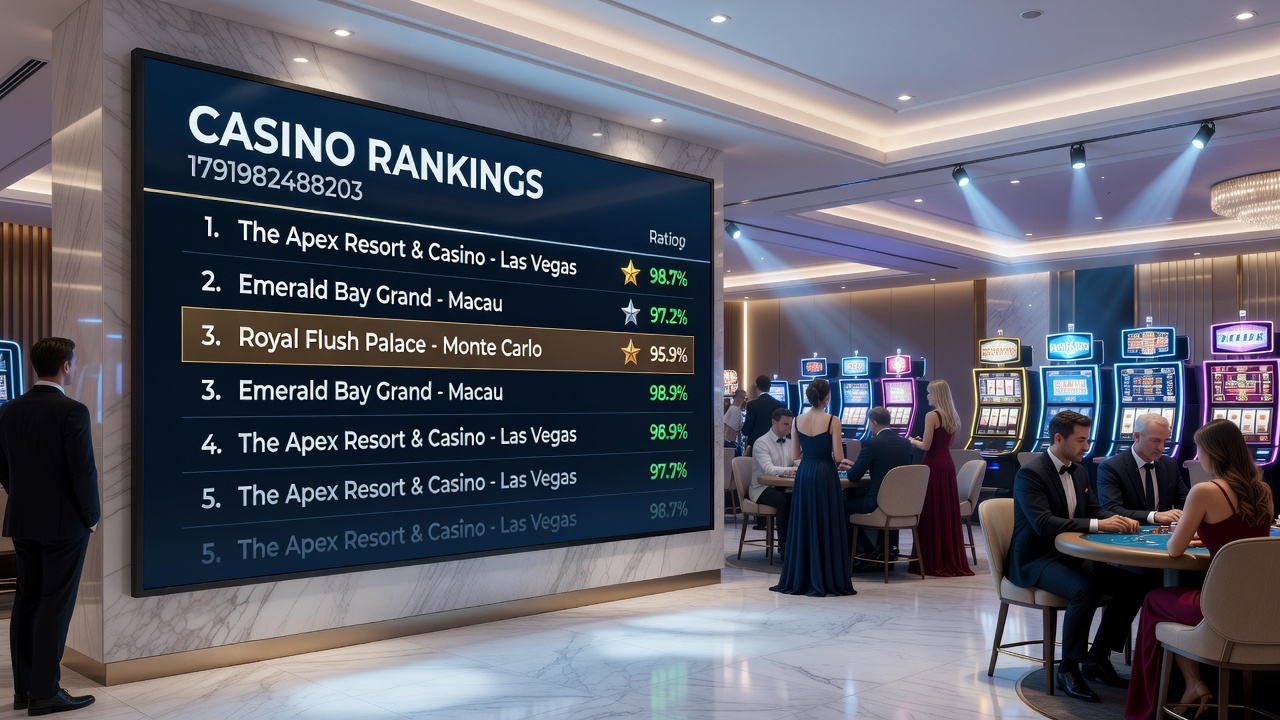
One industry report from the European Gaming and Betting Association highlights how cross-border operators adjust bonus structures to meet varying tax regimes, and those adjustments influence placement when rankings include bonus fairness as a scored element. Australian rankings incorporate self-exclusion database participation rates because national policy requires real-time checks against a centralized register, and platforms demonstrating consistent compliance receive elevated marks in that category.
Data Sources and Update Cycles
Ranking teams pull information from multiple public and private channels that include monthly revenue reports filed with state regulators, third-party audit summaries, and aggregated player complaint databases maintained by consumer protection agencies. Updates occur monthly in most systems, although major revisions follow the release of annual financial statements or after significant regulatory changes take effect. October 2026 saw several platforms adjust positions after new licensing data from multiple Canadian provinces became available, shifting several operators that expanded into those markets.
Algorithm adjustments sometimes reweight criteria when new evidence emerges about player preferences, and researchers at academic institutions have published studies examining correlations between ranking position and actual player retention rates across six-month periods. These studies supply secondary data points that some ranking services incorporate into their models without altering primary scoring weights.
Conclusion
Casino rankings function as aggregated scorecards built from verifiable records rather than subjective judgments, and the underlying data continues to expand as more jurisdictions release standardized reporting requirements. Players consulting these lists encounter structured comparisons that reflect measurable platform attributes updated through the latest available regulatory filings and audit cycles.